Keeping the natural gas value chain reliable and profitable with predictive maintenance
From gas exploration, production and processing to storage and distribution: How real-time measurement systems improve reliability, manage risks and maintain performance across the natural gas value chain
Introduction
Extending predictive maintenance: Process insights for more efficient natural gas production
Natural gas is a key component of the global energy system and forms one of the backbones of energy demand. This makes effective risk management and process reliability a central requirement. From the wellhead to end users, gas must be treated, stored and transported safely and efficiently to meet quality requirements, protect infrastructure and ensure regulatory compliance. As this value chain becomes more interconnected and performance expectations rise, operators face increasing pressure to improve equipment reliability, manage risk and control costs. In response, advanced monitoring, analytics and asset management practices to support data‑driven decisions across the entire asset lifecycle are becoming increasingly important.
Challenges
Growing operational challenges: Do more with less
Depleting reservoirs are driving production into more complex and technically demanding fields, often with higher impurity levels, variable flow rates and harsher operating conditions. At the same time, facilities must continue to operate reliably while managing aging infrastructure and tighter performance margins.
Maintaining production efficiency in changing reservoir conditions: Declining reservoir pressure, increasing water production and varying well performance make stable production more and more difficult.
Ensuring gas quality and pipeline integrity: Preventing hydrate formation, glycol carryover, and off-spec gas requires stable process control and reliable measurement. Operators must prevent corrosion, failures and methane leaks across large pipeline networks.
Operational instability: Crucial equipment such as compressors and regenerators is highly sensitive to contamination, foaming, corrosion and thermal stress. Growing energy demand is driving costs.
Tightening regulatory framework and emission management: Operators must maintain visibility across remote assets while meeting stricter methane emission and environmental reporting requirements.
Managing aging infrastructure safely: Utilities face growing pressure to modernize pipelines while maintaining uninterrupted supply and regulatory compliance. Stricter environmental requirements increase the need for continuous monitoring and traceable reporting.
Energy efficiency strategies in natural gas production
Energy efficiency in natural gas production focuses on reducing energy consumption while maintaining safe and reliable operations. Key strategies include optimizing compressor performance, improving process control in dehydration, sweetening and separation systems, monitoring gas composition to ensure stable energy content and process conditions, reducing flaring and methane losses, recovering waste heat and using real-time monitoring to identify inefficiencies early. Reliable measurement and automation also help operators stabilize processes, minimize downtimeand reduce unnecessary energy use across production as well as processing facilities.
Cost pressure remains a defining challenge. Volatile energy markets, rising maintenance costs and the need to control operating expenditures are forcing operators to rethink traditional maintenance and asset management approaches. Unplanned downtime, inefficient maintenance interventions or premature equipment failure can quickly erode margins, especially in capital‑intensive assets such as compressors, dehydration units, storage facilities and pipeline networks.
The natural gas industry is evolving toward more connected, efficient and data-driven operations. Whether in exploration, production, processing, transport or distribution, operators increasingly depend on accurate measurement and reliable instrumentation to improve visibility, protect assets, reduce emissions and maintain efficient performance as well as safety across the entire value chain.
Process steps
Process steps across the natural gas value chain
Safe gas production
Extracting natural gas is becoming increasingly complex due to depleted reservoirs. Advanced drilling methods, efficient processes and safe operation require accurate data and real-time insights.
Enhanced Gas Recovery (EGR)
EGR uses active reservoir management techniques to improve gas mobility and maintain pressure after primary production mechanisms weaken. Unlike conventional production, EGR intervenes directly in reservoir behavior and therefore relies heavily on real-time pressure, flow and composition monitoring.
Efficiency gains in natural gas processing
Struggling with rising OPEX or process instability? Discover how optimizing your natural gas processing efficiency protects your margins, ensures safety and secures your plant's future growth.
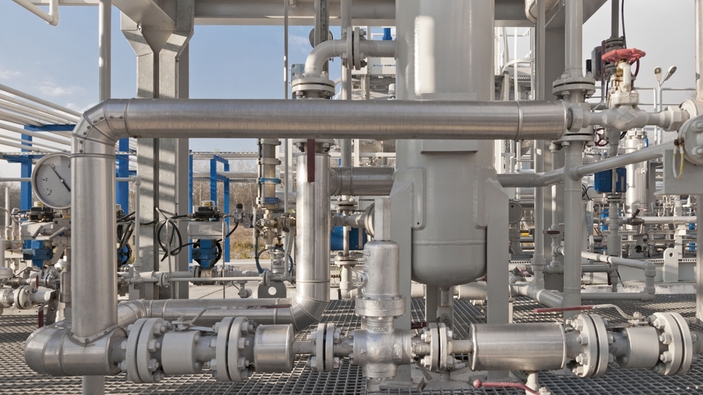
Transport and storage are critical links in the natural gas value chain, ensuring gas is moved and delivered safely from processing plants to end users. Reliable instrumentation provides the real-time visibility operators need to maintain pipeline integrity, protect assets and detect deviations early.
Renewable natural gas (RNG) and Bio LNG
Expanding the gas value chain with low-carbon alternatives, RNG and Bio LNG also introduce new variability in composition, pressure and quality. Accurate measurement is essential to ensure grid compatibility, safe storage and liquefaction as well as compliant injection into the networks.
LNG for global trade
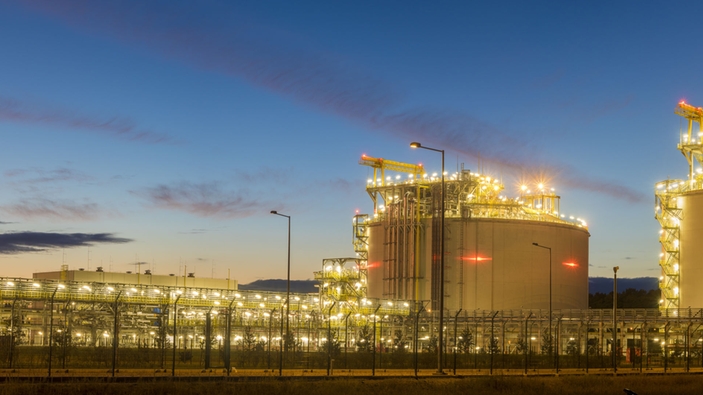
Liquefied natural gas (LNG) expands global gas markets but introduces stringent requirements on composition control, cryogenic conditions and process stability. Reliable measurement is vital to ensure safe liquefaction, storage and transport, as well as compliant custody transfer across the value chain.
Predictive maintenance
The importance of predictive maintenance in natural gas production
Predictive maintenance helps operators use condition data to anticipate wear, degradation or abnormal behavior before it results in downtime. In natural gas production, this approach is particularly valuable given the continuous nature of operations and the critical role of assets such as compressors, dehydration and sweetening units, heat exchangers and separators.
Enhancing equipment reliability and optimize maintenance scheduling
From drilling to pipeline and storage: Operators can increase equipment reliability by continuously monitoring key condition parameters such as pressure, level, temperature, flow and gas quality. Detecting deviations early allows for immediate identification of emerging issues and targeted intervention that extend asset life and supports stable operations. Unplanned outages can disrupt supply and lead to safety risks as well as costly repairs. A shift from time-based or reactive responses to data-driven decision-making helps reduce these risks.
Ready to optimize your process?
Take the next step toward sustainably efficient and compliant processes in your gas operations. Our local Endress+Hauser experts are ready to support you.
Struggling with rising OPEX or process instability? Discover how optimizing your natural gas processing efficiency protects your margins, ensures safety and secures your plant's future growth.
Maximize process safety with our best-fit instrumentation and solutions for natural gas and LNG, including processing, transport, storage and distribution.
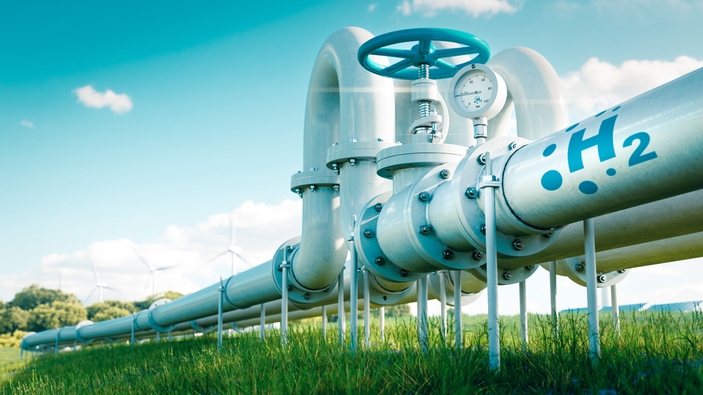
The unique properties of H2 and CO2 present several key challenges to operators. Learn how our offering and expertise help you optimize safety and efficiency in your hydrogen and CCUS applications.
Ensure the reliability of your natural gas liquefaction processes with Endress+Hauser process control solutions for pre-treatment, acid gas removal and dehydration, fractionation and liquefaction.
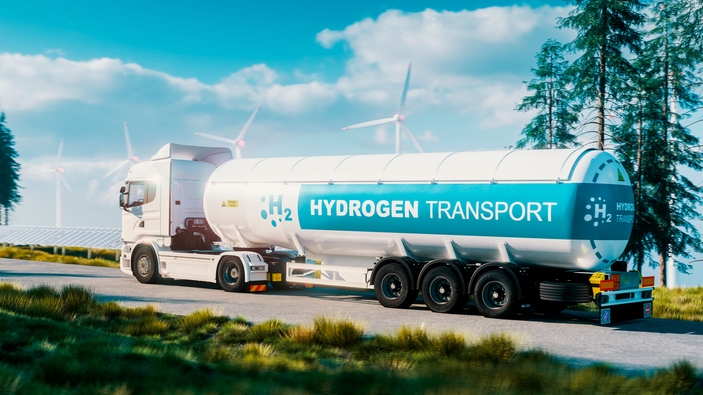
Hydrogen is a promising solution for reducing carbon emissions and its infrastructure is developing rapidly. Learn how Endress+Hauser can help achieve sustainability and ensure regulatory compliance.
/
FAQ
Everything you need to know about predictive maintenance in gas production
Endnotes
Looking for more?
Sustainability solutions for industrial markets
Learn more about how sustainability efforts and decision-making are becoming more visible, structured and results-driven across industries.
Transforming the process industry through digitalization
Learn more about how digitalization works in the process industry.
Oil & Gas: Fueling energy transition to net zero
With our broad portfolio of instrumentation, solutions and services we empower customers on the pathway to net zero: from process efficiency and safety to sustainability and regulatory compliance.
We value your privacy
We use cookies to enhance your browsing experience, collect statistics to optimize site functionality, and deliver tailored advertisements or content.
By selecting "Accept all", you consent to our use of cookies.
For further details please review our privacy policy .